
Practice articles · legislation · measurements
Knowledge base
Articles from practice — measurements, studies and legislation for operations facing similar situations to yours.

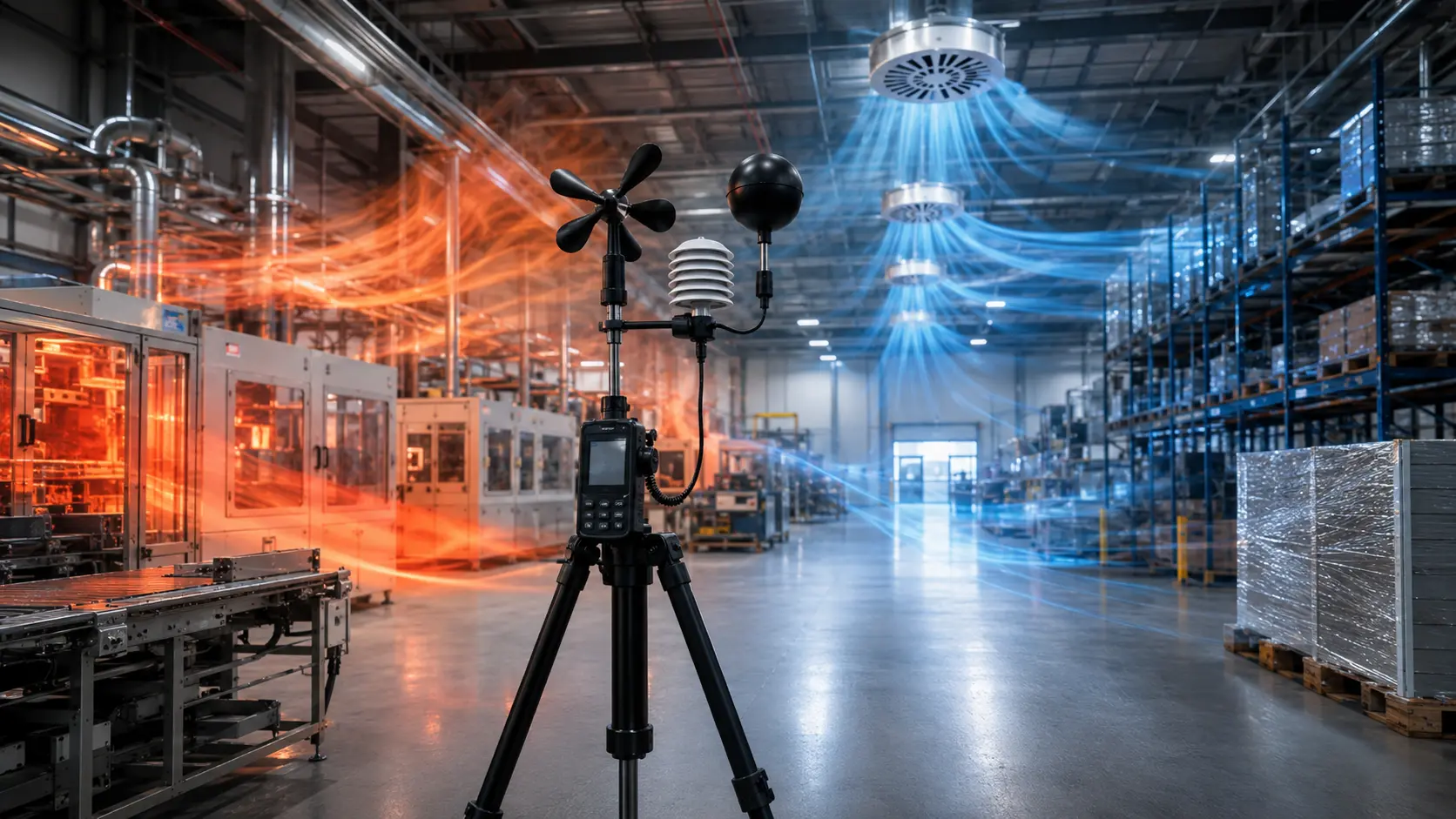
Workplace microclimate measurement: temperature, humidity and air movement
Microclimate measurement is addressed where employees experience heat, cold, draughts, dry air or significant differences between parts of the workplace. During measurement we evaluate temperature, humidity, air movement and related operating conditions so that the workplace environment, thermal or cold load and suitability of technical or organisational measures can be assessed objectively.
Read article
Air pollution fees: how measurement, emission calculation, and operating records are linked
A fee return in the air field does not arise on its own. It is based on operating records, emission measurement, emission calculations, fuel and raw material consumption, operating hours, and data stated in the operating permit.
Read article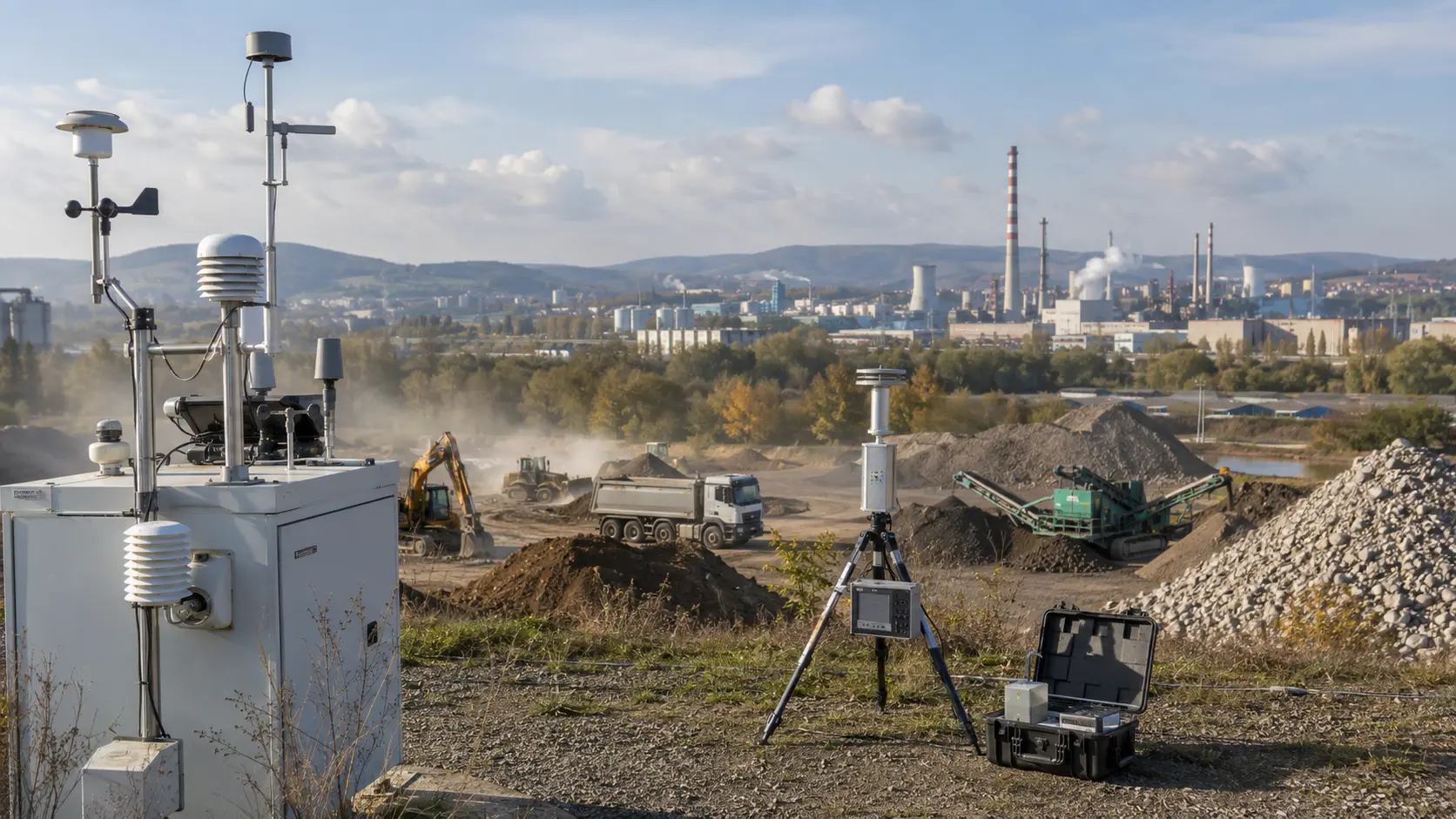
ARAMIS project: what new emission factors and methodologies may mean for air protection practice
The ARAMIS project brings new professional bases for air quality assessment, emission balances, dispersion modelling, pollution source identification, and emission calculation. For operators, designers, investors, and municipalities, outputs on emission factors, construction dust, recycling lines, greenhouse gases, and source significance under the Air Protection Act are especially important.
Read article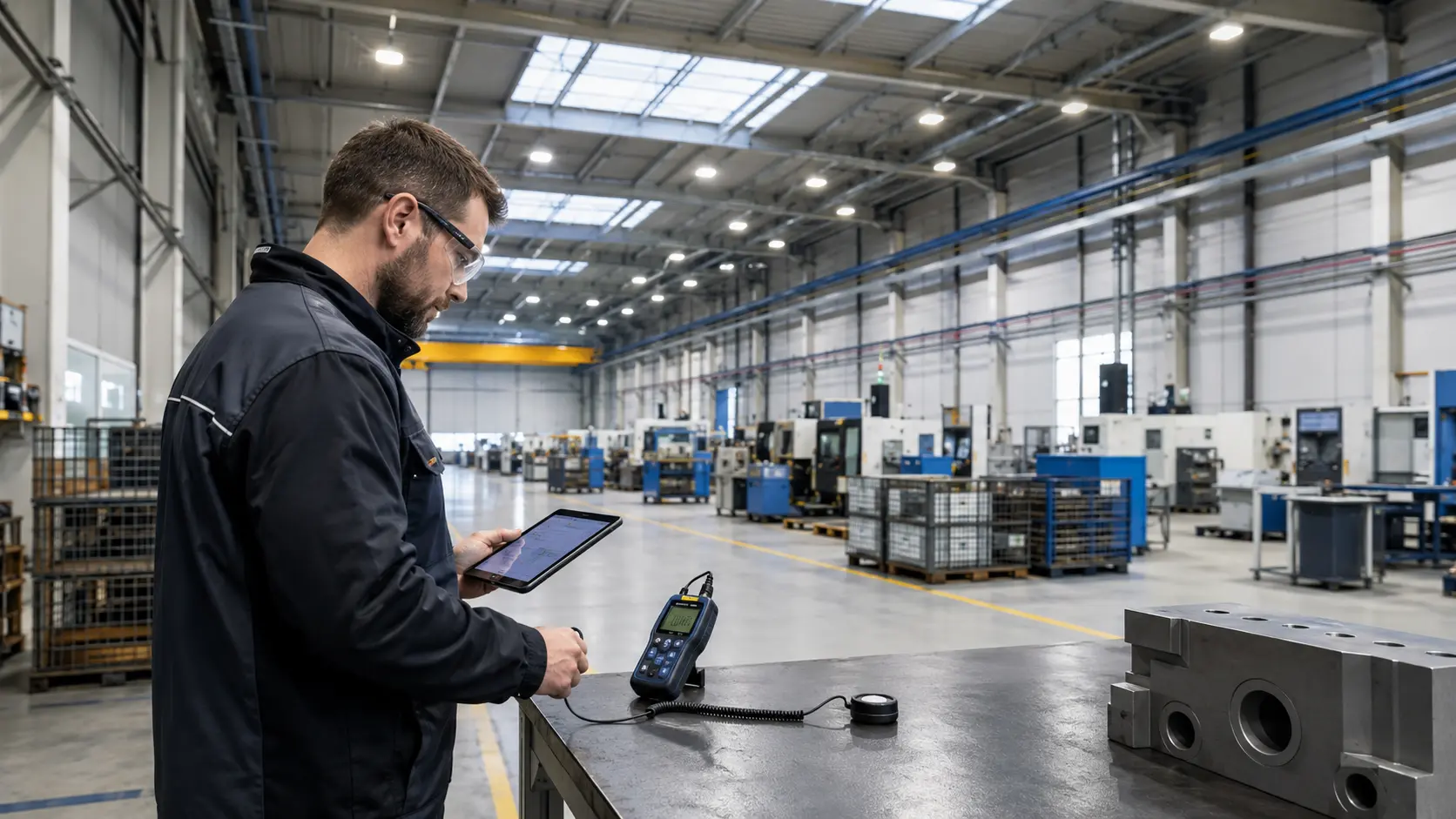
Workplace lighting measurement: when KHS requires it and when it is needed for building approval
A lighting measurement report is often needed for building approval, change of use, KHS inspection or verification of workplace conditions. It is not enough that new luminaires are installed in the building.
Read article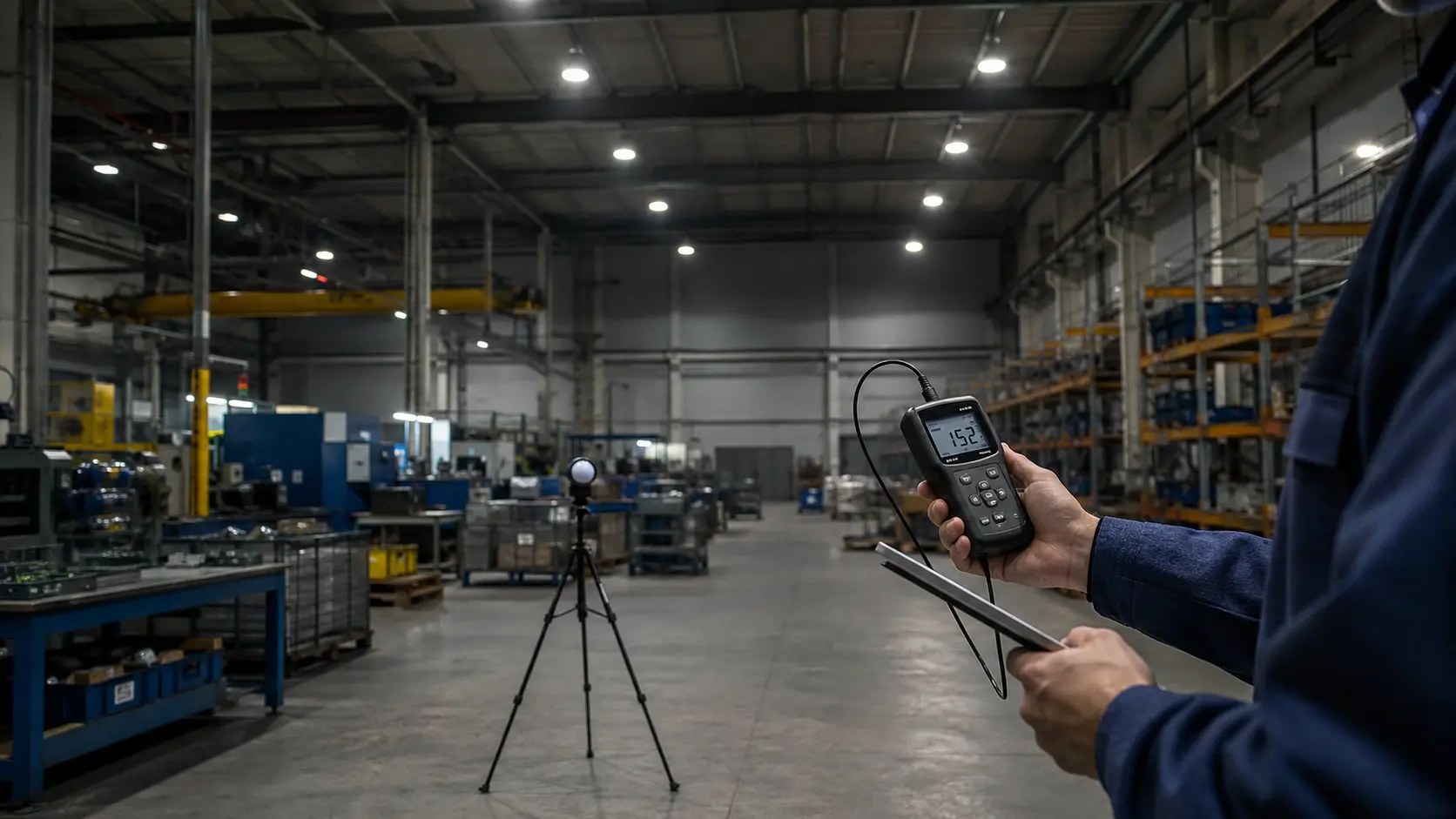
Insufficient workplace lighting: what is measured and what documentation to prepare
Insufficient workplace lighting is often addressed only when employees complain of eye strain, poor visibility, glare, or unsuitable working conditions. The same problem also arises at new workplaces, during reconstructions, building completion, or regional public health authority inspections.
Read article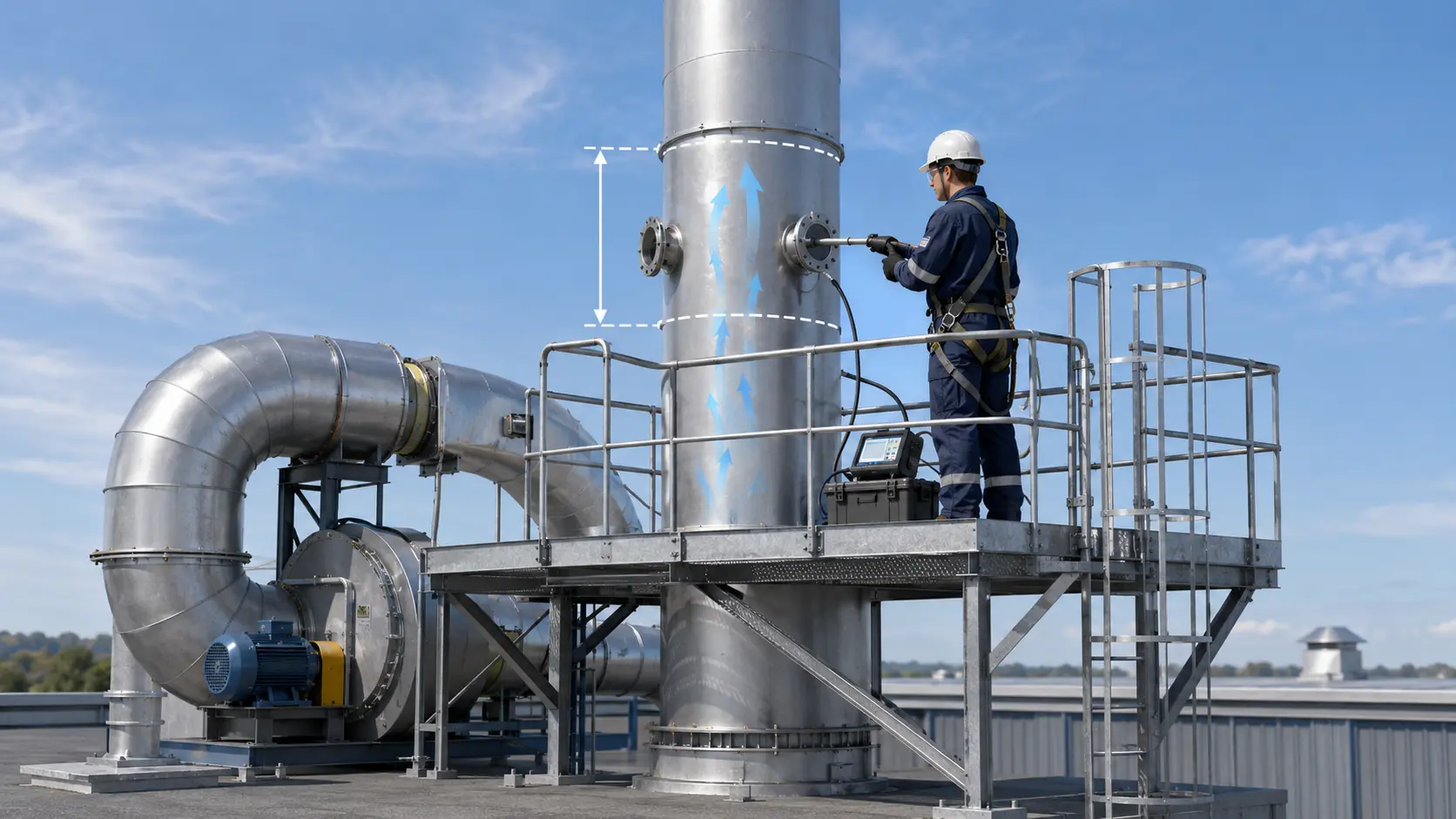
Measurement location on exhaust: most common mistakes that complicate emission measurement
Emission measurement can be complicated by poorly designed exhaust, missing measurement ports, short straight duct sections, turbulence, poor access or unsafe working conditions. The operator should address the measurement location already when designing technology, replacing filters, modifying the exhaust or preparing authorised emission measurement.
Read article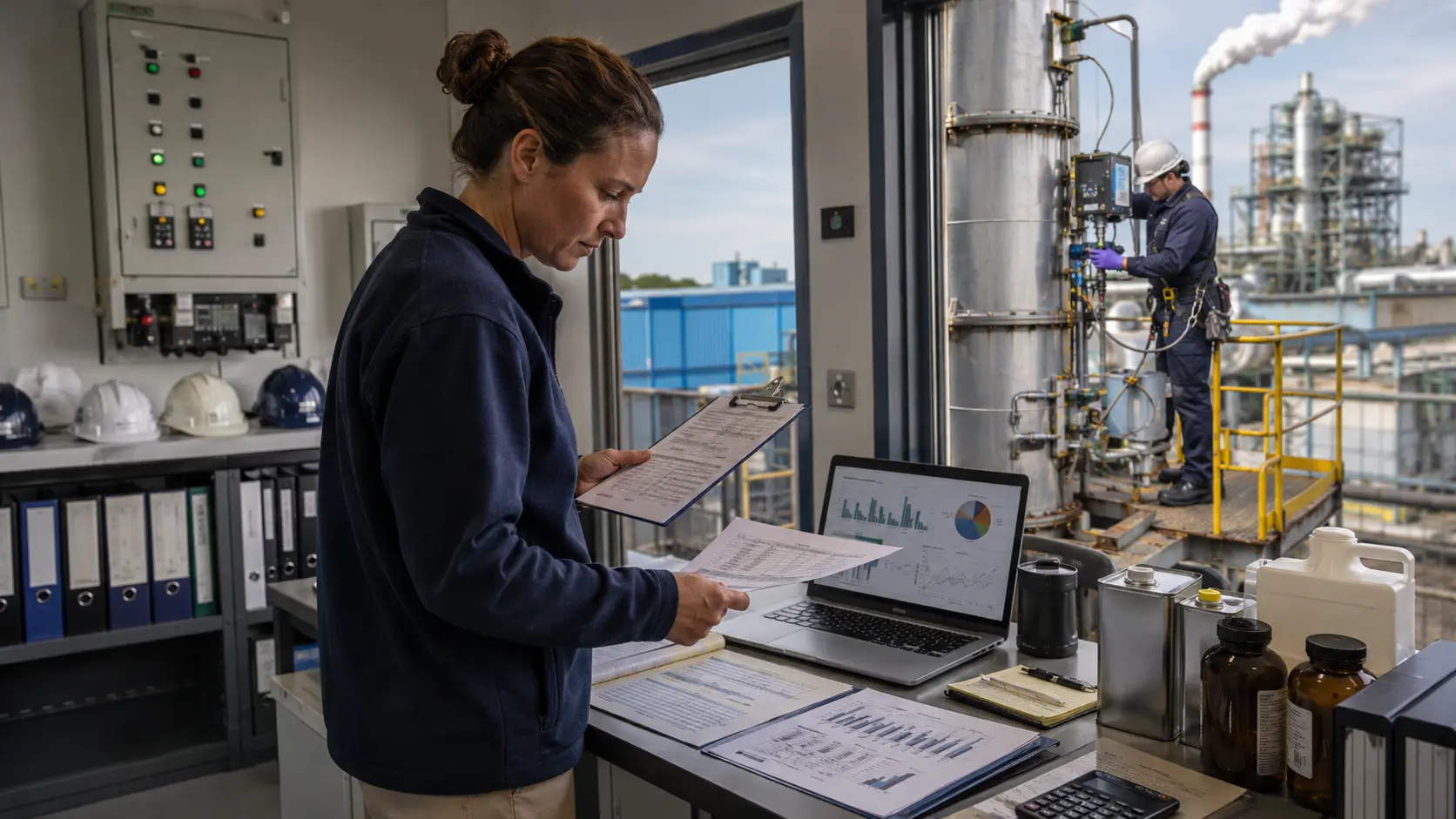
Emission factors and emission calculation: when calculation is enough and when measurement is required
Emissions can in some cases be determined by calculation, for example using an emission factor, mass balance, specific production emission, or data on fuel, raw material, and solvent consumption. Calculation is not always enough, however.
Read article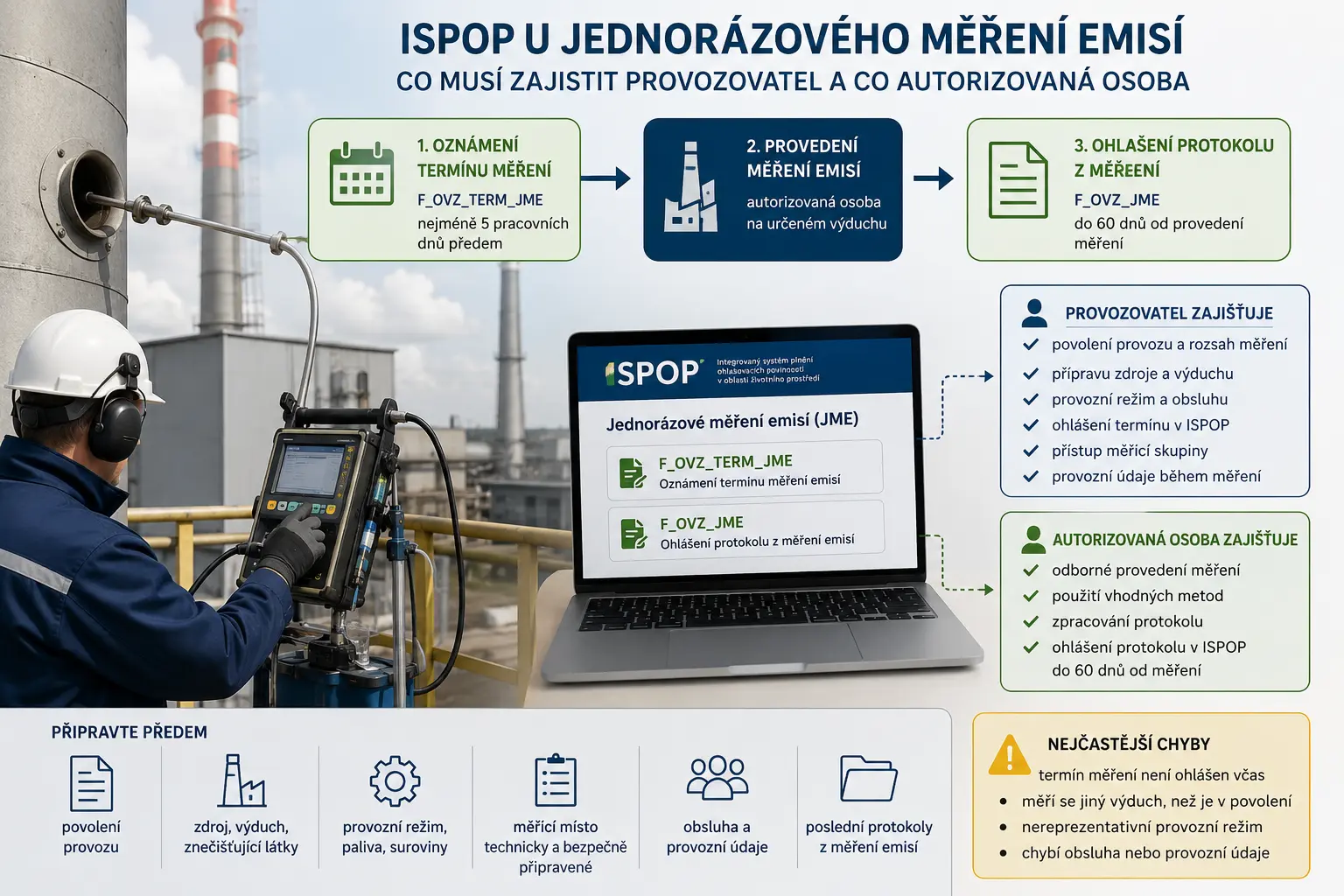
ISPOP for one-time emission measurement: what the operator must ensure and what the authorised person does
From 2026, ISPOP for one-time emission measurement covers not only the measurement date but also notification of the report. The operator must ensure correct notification of the measurement date, and prepare the source, exhausts and operating regime.
Read article
Aggregation rules for air pollution sources: why can they change operator obligations?
Aggregation rules for air pollution sources determine whether multiple partial technologies are assessed for capacity separately or jointly. The outcome can change source classification under Annex 2 to the Air Protection Act, the obligation to hold an operating permit, expert opinion, dispersion study, emission measurement, or operating rules.
Read article
When can the authority require an expert opinion even for a change to an existing source?
An expert opinion under the Air Protection Act is not addressed only for new sources. In some cases it must also be submitted when changing an existing listed stationary source, especially if designed output, capacity, or emissions increase, or if an operating technical condition replacing a specific emission limit is being set.
Read article
Electronic notification of emission measurement and submission of protocols: practical impact on operators
From 2026, the practical method of notifying dates and submitting data from protocols for one-off emission measurement is changing. The measurement date is now notified via ISPOP and data from the measurement protocol are reported by the authorised person using the PROTOKOL form.
Read article
New Ministry of the Environment methodological guidance on sources requiring additional permitting: what should the operator check?
The amendment to the Air Protection Act and related methodological guidance from the Ministry of the Environment have raised a new practical question: which sources must be additionally permitted or brought into compliance with new requirements? The topic concerns especially sources that were previously only mentioned in a permit, were treated as related activity, or newly fall under Annex No.
Read article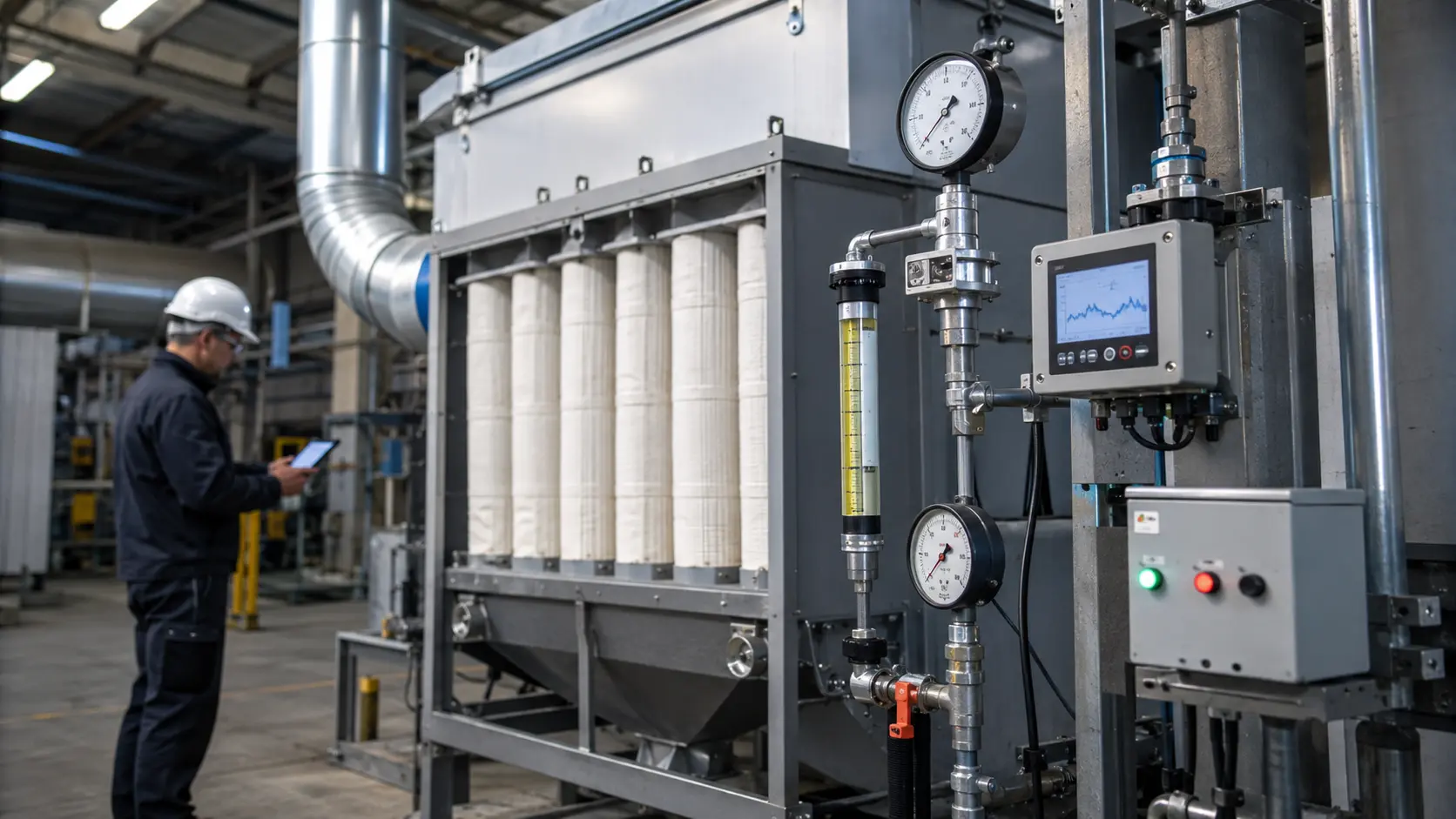
Operating parameter at an emission source: when must the operator monitor and record it?
An operating parameter serves to demonstrate on an ongoing basis that emission reduction technology or emission reduction measures are actually working. It may involve temperature, pressure, flow rate, filter pressure drop, sorbent dosing, or wetting operation.
Read article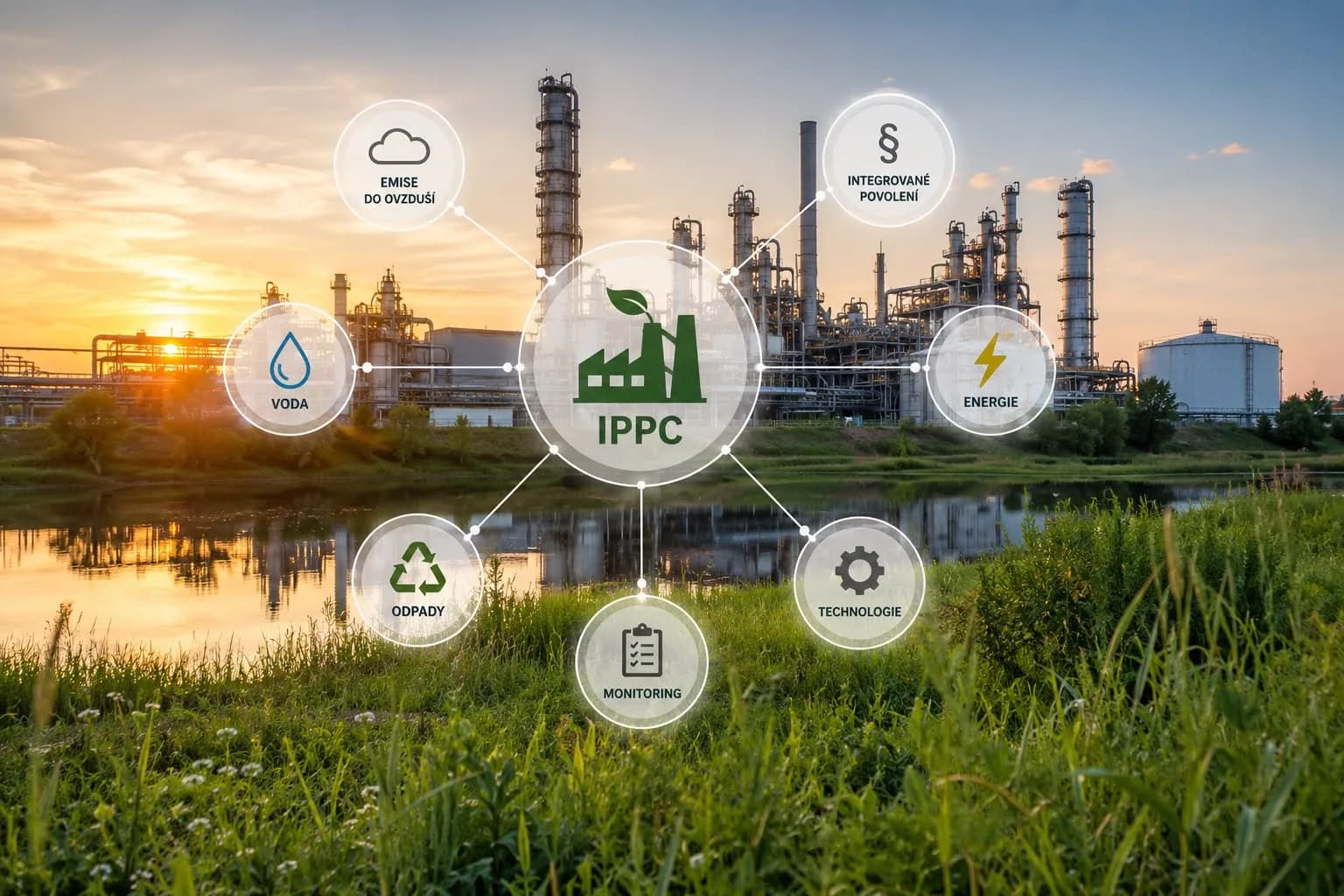
What is changing in the permitting of air pollution sources in 2026?
2026 is important for air protection mainly because of the practical impact of the amendment to the Air Protection Act No. 42/2025 Coll.
Read article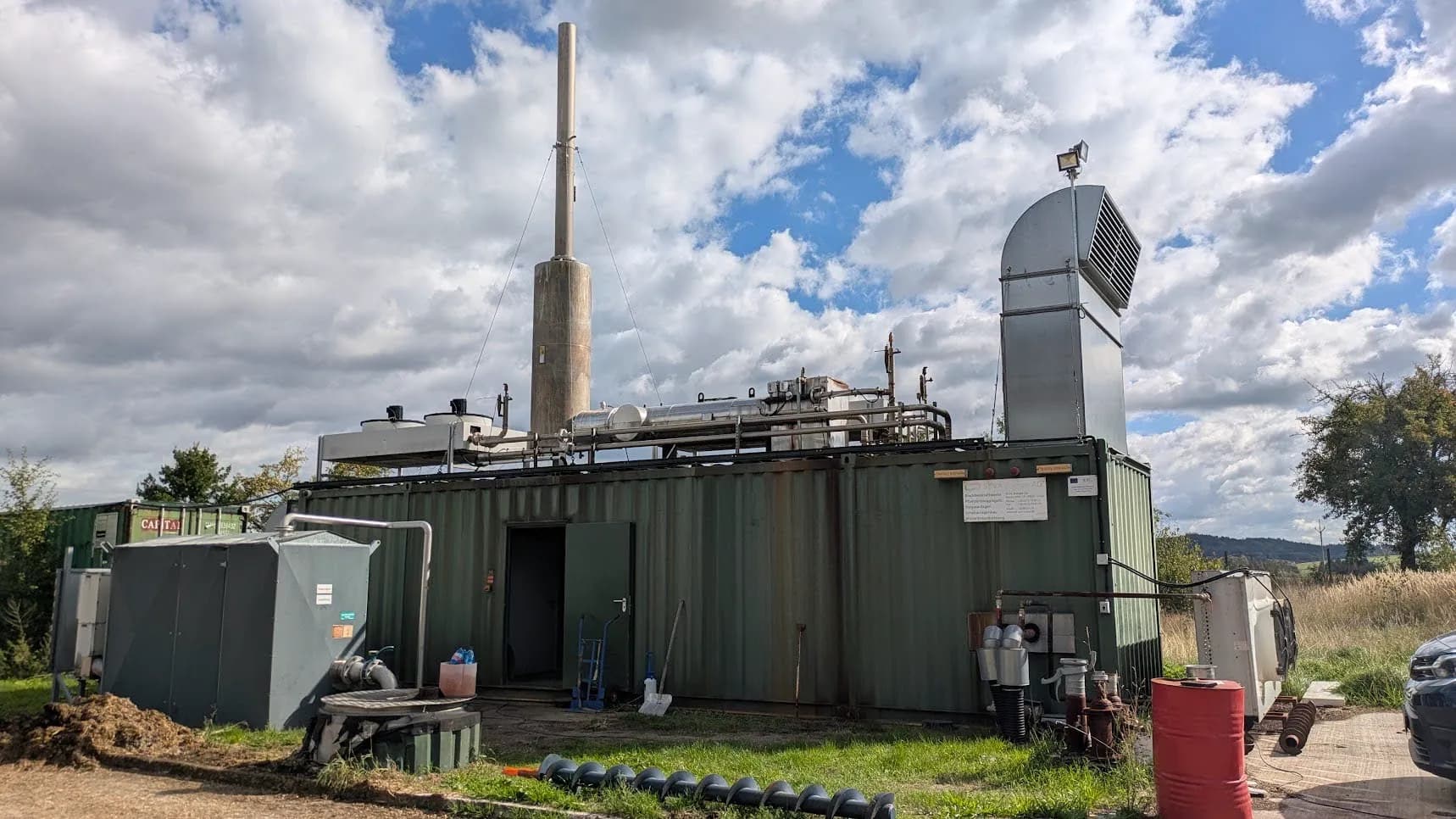
Measurement location on exhaust: why it matters already in the project phase
A measurement location on the exhaust is not just a technical detail for the laboratory. If authorised emission measurement is to be carried out in future, the exhaust must be accessible, safe and suitable for representative sampling.
Read article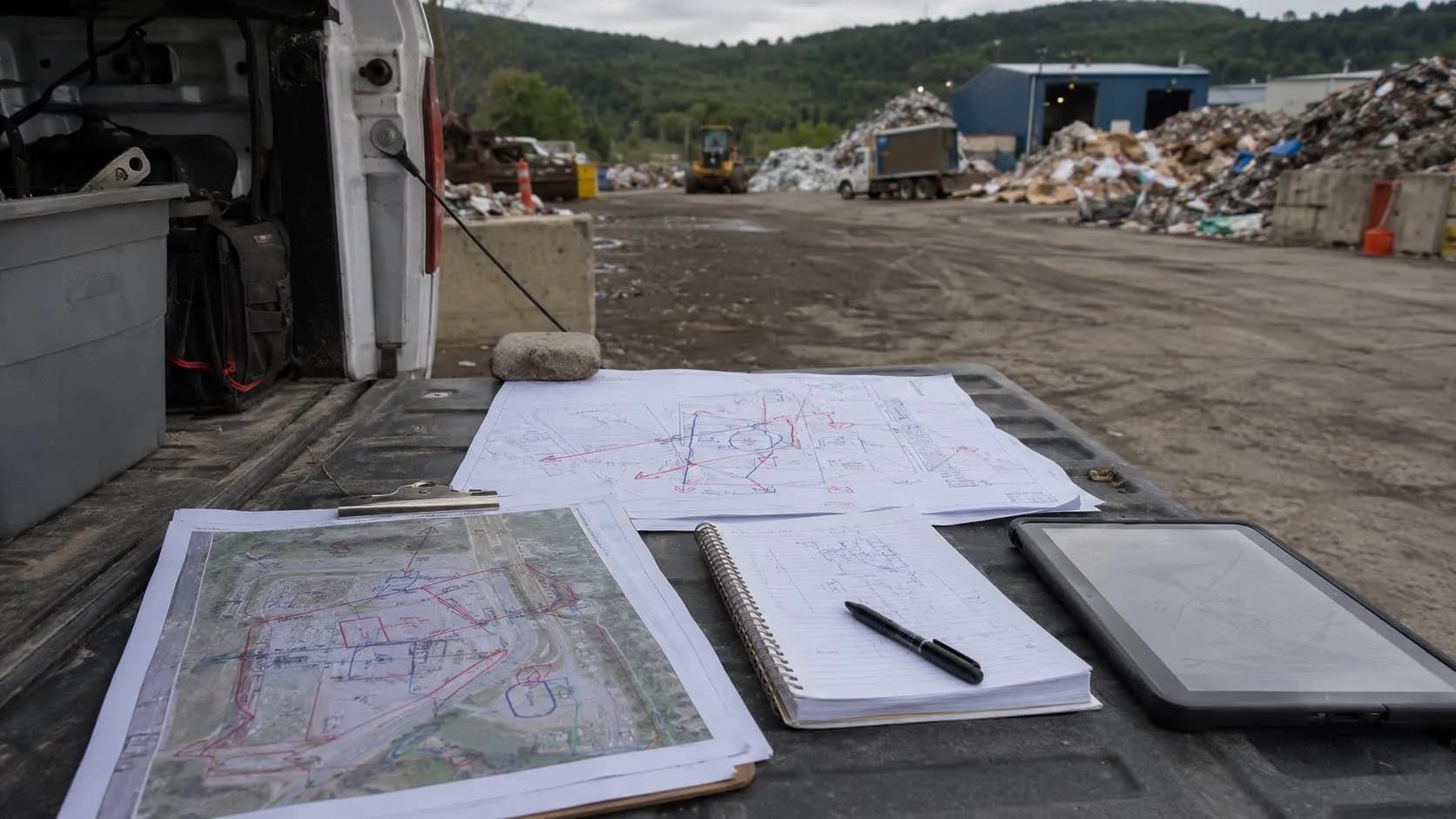
Emissions vs. immissions: why does the operator need to address both?
Emissions and immissions are two different perspectives on air pollution. Emissions describe what a source releases through a stack, exhaust, or technological area.
Read article
What to send for a quick project assessment?
A quick project assessment is only possible when basic information is available on the building, technology, capacity, exhausts, operating hours, transport, and the authority's requirements. Complete project documentation is not always needed immediately, but the materials must make it possible to determine whether measurement, a noise study, a dispersion study, an expert opinion, EIA, JES, operating rules, or other environmental documentation will be required.
Read article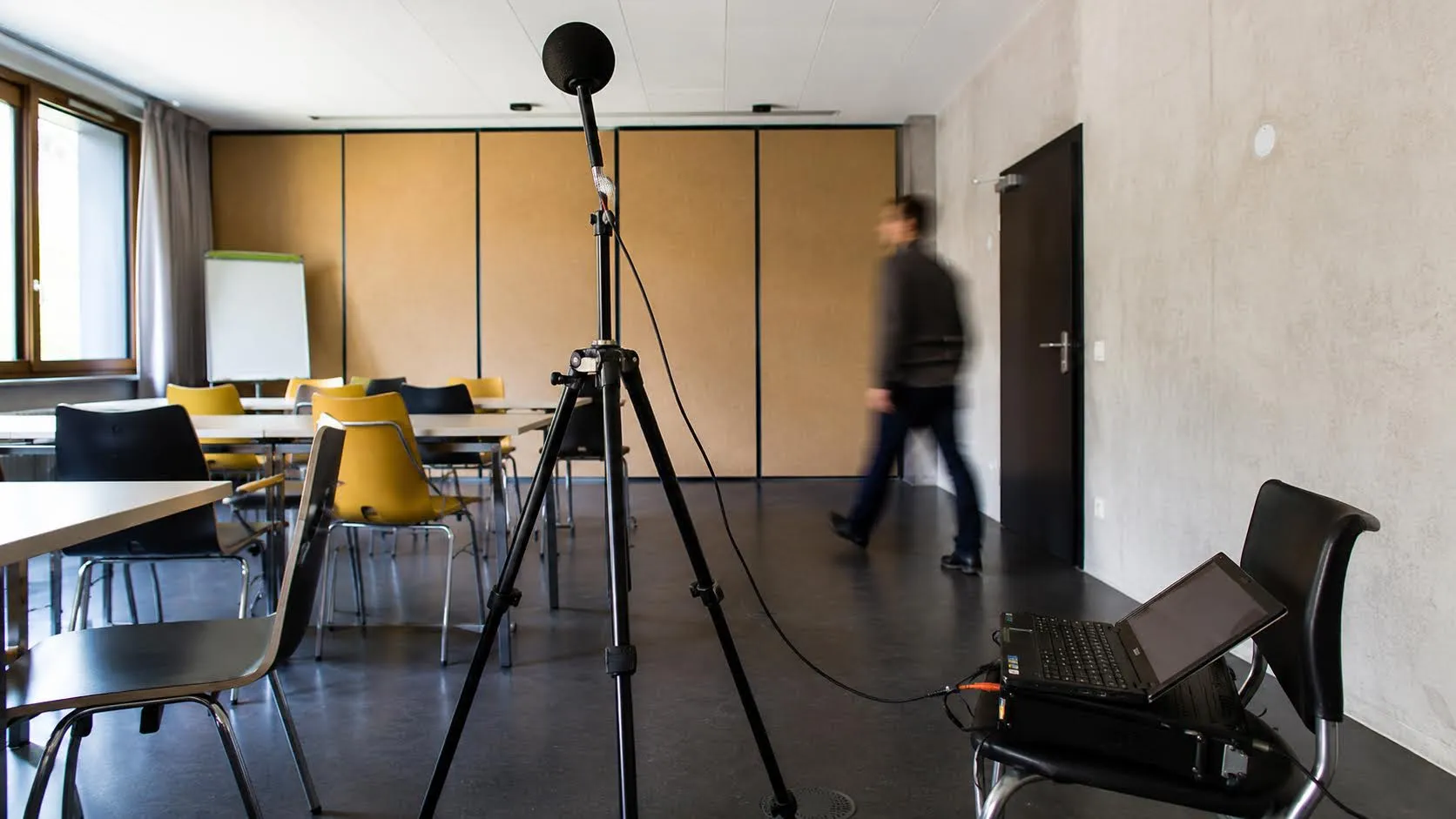
Why is an equipment catalogue value not enough for noise assessment?
A catalogue value for equipment noise is a useful orientational input, but on its own it usually is not enough for professional noise assessment. What matters is whether the manufacturer states sound power level or sound pressure level, at what distance the value was determined, under what operating regime, with what directivity, and with what uncertainty.
Read article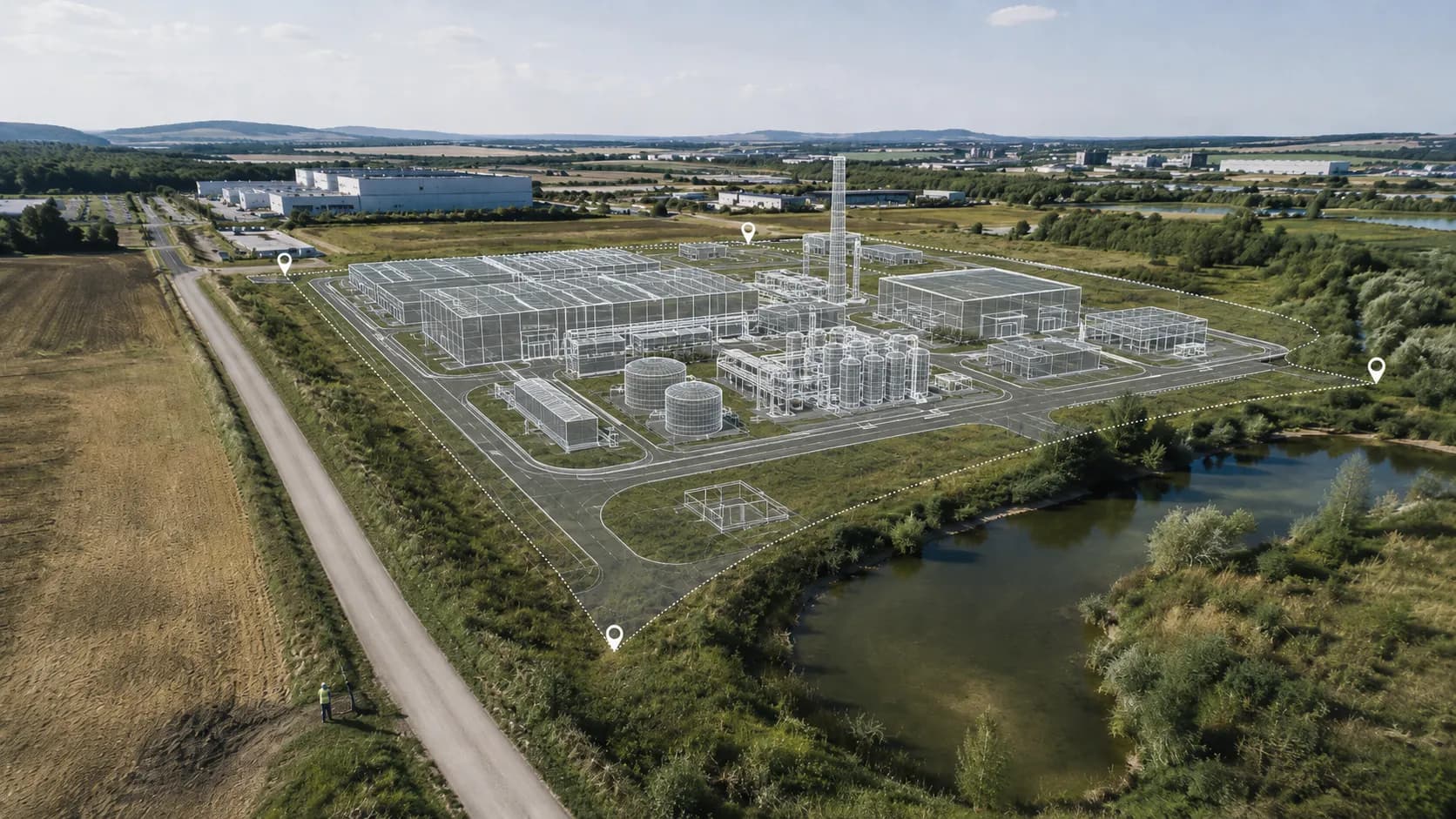
Designer vs. environmental consultant: when to involve an air, noise, and EIA specialist?
For industrial and technical projects, resolving only the building and technology part is not enough. Already in an early phase, exhaust placement, noise sources, traffic routes, protective setbacks, and operating capacity may decide the outcome.
Read article
What documentation do you need for permitting an industrial operation from an environmental perspective?
Permitting an industrial operation from an environmental perspective usually does not address just one area. Depending on the type of project, it may be necessary to assess air quality, noise, waste, water, EIA, the unified environmental opinion, operating rules, expert reports and dispersion studies.
Read article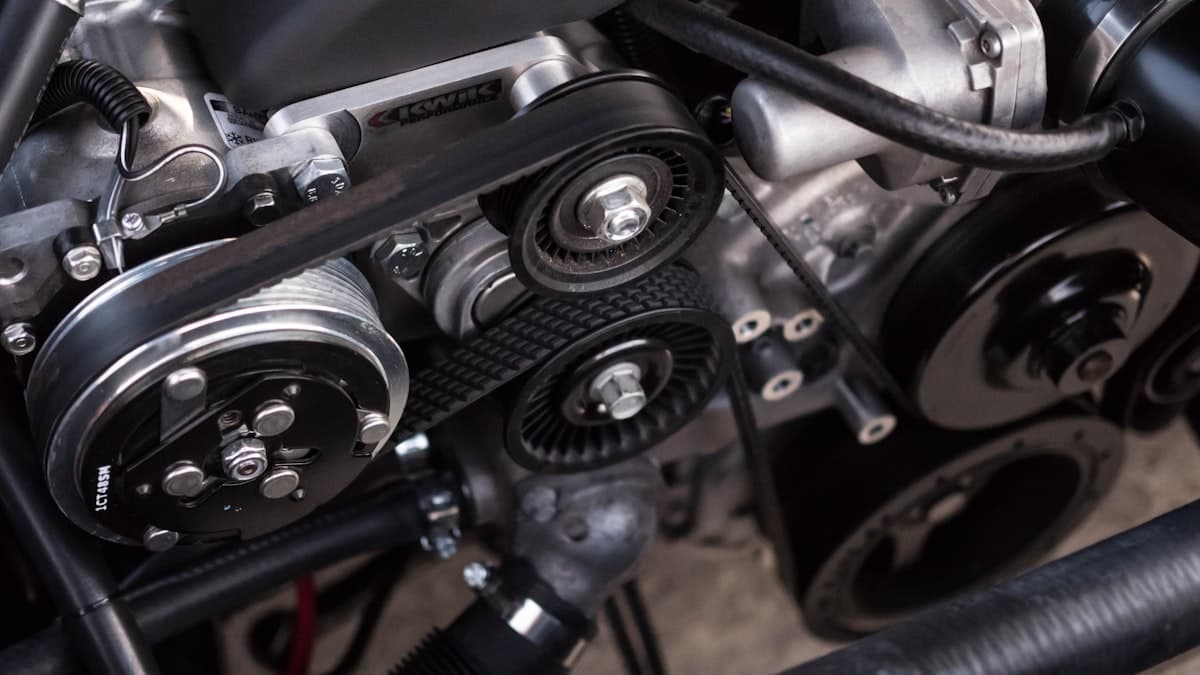
Automotive operations: what is typically measured and assessed?
Automotive operations combine many technologies that can affect the work environment, air emissions, and noise in the surroundings. Painting, bonding, component covering, PUR foams, flame lamination, welding, chemical substances in workplace air, VOC, dust, metals, and technological noise are typically addressed.
Read article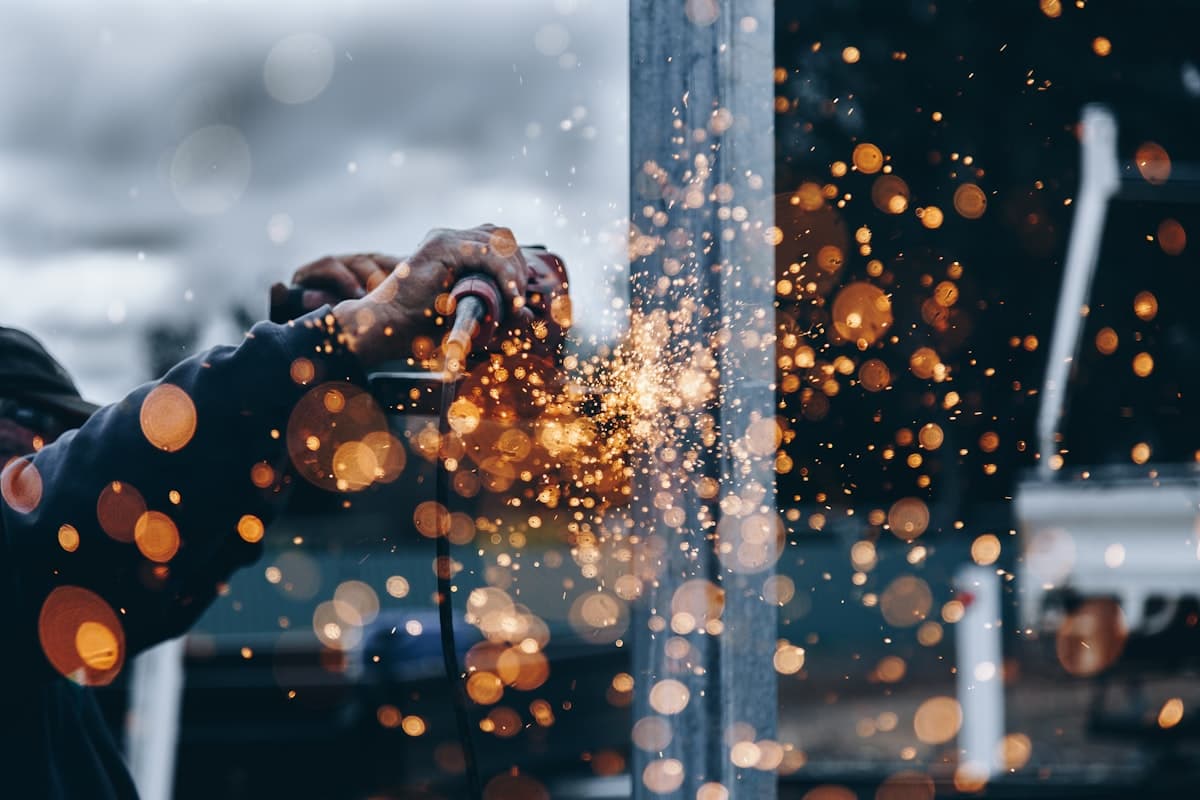
Wood-processing operation: dust, sawdust, extraction, noise, and source permitting
Wood-processing operations are typical sources of dust, sawdust, noise, and emissions of total suspended particulates (TSP). During cutting, planing, sanding, milling, or production of chips and pellets, wood dust arises that matters both from a work environment perspective and from an air protection perspective.
Read article
Landfill and waste facility: what environmental documentation is usually addressed?
Landfills and waste facilities are among projects where not only waste management itself is usually addressed. Capacities, instantaneous capacity, waste types, operating rules, noise, air, water, traffic, EIA, and for larger facilities also IPPC are important.
Read article
Construction waste recycling centre: noise, dust, traffic, and EIA
A construction waste recycling centre can be a sensitive project from a permitting perspective, even though its purpose is material recovery of waste. Crushing, sorting, loading, and transport generate noise, dust, and increased traffic load, which must be assessed already at the project preparation stage.
Read article
Backup diesel generator: emissions, noise, and permitting documentation
A backup diesel generator appears in practice at industrial sites, waterworks, hospitals, data centres, office buildings, logistics centres, or technological operations where power supply must be secured during electricity outage. At first glance it may be equipment that runs only exceptionally.
Read article
Boiler plant and gas boiler: when are CO and NOx emissions measured?
For boiler plants and gas boilers, practice often raises the question of whether measurement of carbon monoxide and nitrogen oxide emissions is mandatory. What matters is not only that it is a gas boiler, but especially total rated thermal input, fuel type, source classification, and operating permit conditions.
Read article
Welding shop: dust, metals, extraction, work environment, and emissions
A welding shop can be a significant workplace from the perspective of employee health protection and air protection. During welding, welding fumes, fine particles, metal oxides, and other substances arise, whose composition depends on welded material, filler material, welding method, and extraction effectiveness.
Read article
Paint shop: emissions, VOC, operating rules, measurement and operating permit
From an air-protection perspective, a paint shop is often a significant source of VOC emissions — volatile organic compounds. The operator must address not only painting itself, but also consumption of organic solvents, filtration, exhausts, VOC balance, operating records, emission measurement and, where applicable, an operating permit.
Read article
Measurement of chemical substances in workplace air: what determines the scope of measurement?
The scope of measurement of chemical substances in workplace air cannot be determined from the name of the operation alone or from a general request to "measure chemicals". What matters is the technology used, safety data sheets, work procedure, exposure duration, ventilation method, PEL and NPK-P limit values, and whether sampling should be personal or stationary.
Read article
Workplace dust: total dust, respirable fraction, and silicon dioxide
Workplace dust is not just visible mess in the air or on the floor. From the perspective of employee health protection, what dust arises, what particle sizes it contains, and whether it contains crystalline silicon dioxide, for example, is important.
Read article
Job categorisation: what measurement is needed as supporting evidence?
Job categorisation is the basic tool for assessing health risks in the workplace. In practice, the question often arises when expert assessment is sufficient and when workplace environment measurement must be documented.
Read article
Summary operating records 2026: what must the operator check before submission?
Summary operating records are not just an administrative form in ISPOP. Data in the report must match the operating permit, actual source operation, emission measurements, emission calculations, fuel and raw material consumptions, and any fee obligations.
Read articleWorkplace environment measurement: when can KHS require it?
The regional hygiene station may require workplace environment measurement especially when it is necessary to verify employee exposure to risk factors of work. Chemical substances, dust, noise, vibration, microclimate, lighting or documentation for job categorisation are most often addressed.
Read article
How to read a noise study: LAeq, LAFmax, protected area and uncertainty
A noise study or noise measurement report contains terms that may be difficult for the client to read: LAeq, LAFmax, day and night periods, protected outdoor area of buildings, or measurement uncertainty. Correct interpretation is important because not every high number automatically means limit exceedance.
Read article
Noise from heat pumps and HVAC units: what to address before building completion?
Heat pumps, outdoor air-conditioning units, roof-mounted HVAC units, fans and chillers are among the common noise sources addressed before building completion and after the building is put into operation. The problem usually arises not only from the noise level of the equipment itself, but also from its location, night-time operation, reflections from façades, simultaneous operation of several units, and distance to the nearest protected areas.
Read article
Minimum distance requirement: a new tool for protecting air quality from dust and odour
The amendment to the Air Protection Act introduces a minimum distance requirement for selected stationary sources that may significantly affect the surroundings through dust or odour. The new rules are important especially when siting new sources, when making changes in spatial planning, and when preparing expert reports and operating rules.
Read articleJES and EIA: when is the unified environmental opinion addressed together with EIA?
The unified environmental opinion, abbreviated JES, consolidates multiple environmental statements, binding opinions, and decisions into a single basis for permitting a project. For projects subject to EIA, it is important to decide correctly whether JES should be addressed together with the EIA process, or only subsequently after the EIA opinion is issued.
Read article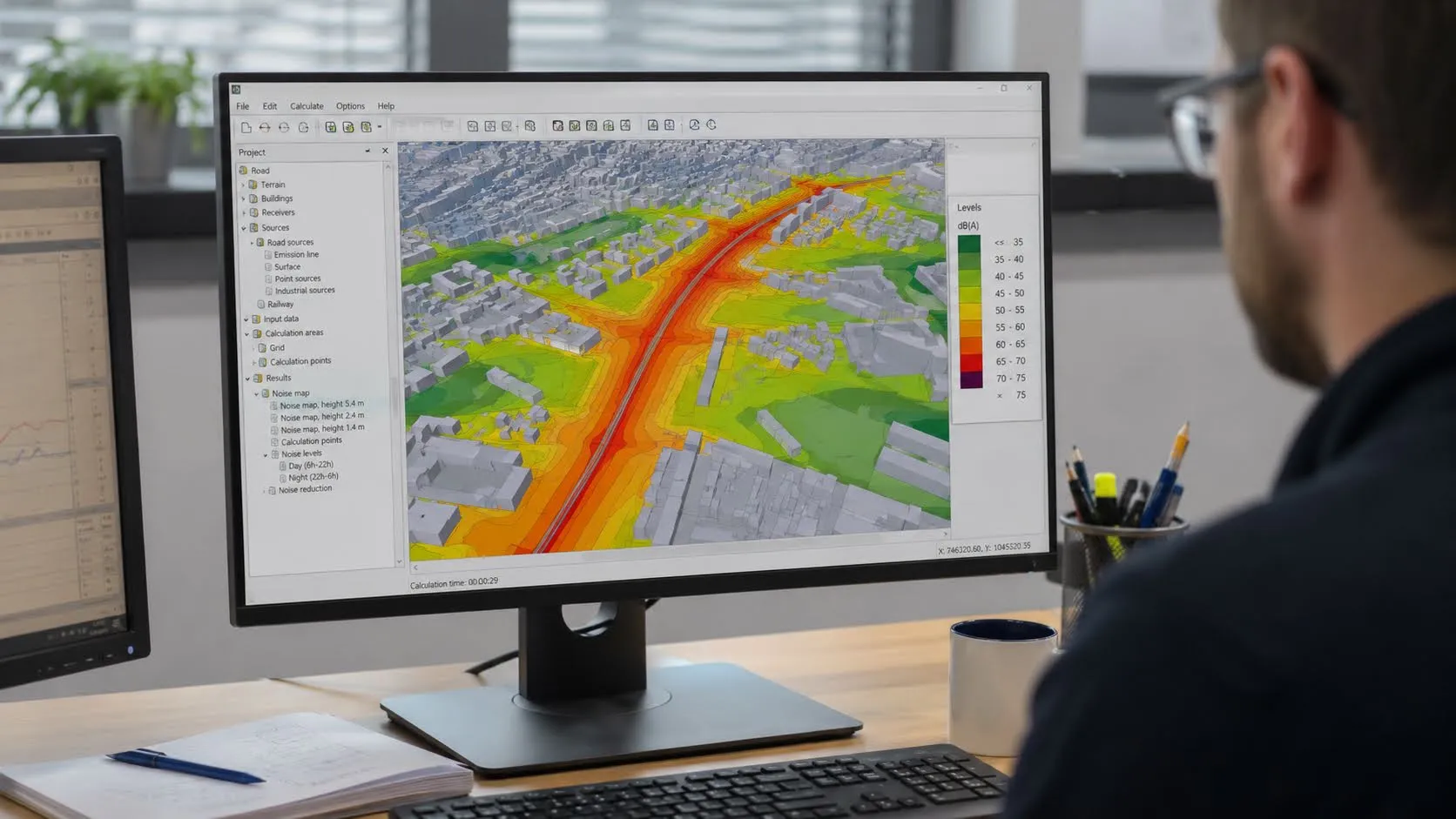
When is a noise study needed and when is noise measurement needed?
A noise study and noise measurement are not the same thing. A noise study usually assesses in advance by calculation what noise a project, technology, facility, transport, heat pump, or HVAC unit will produce after implementation.
Read article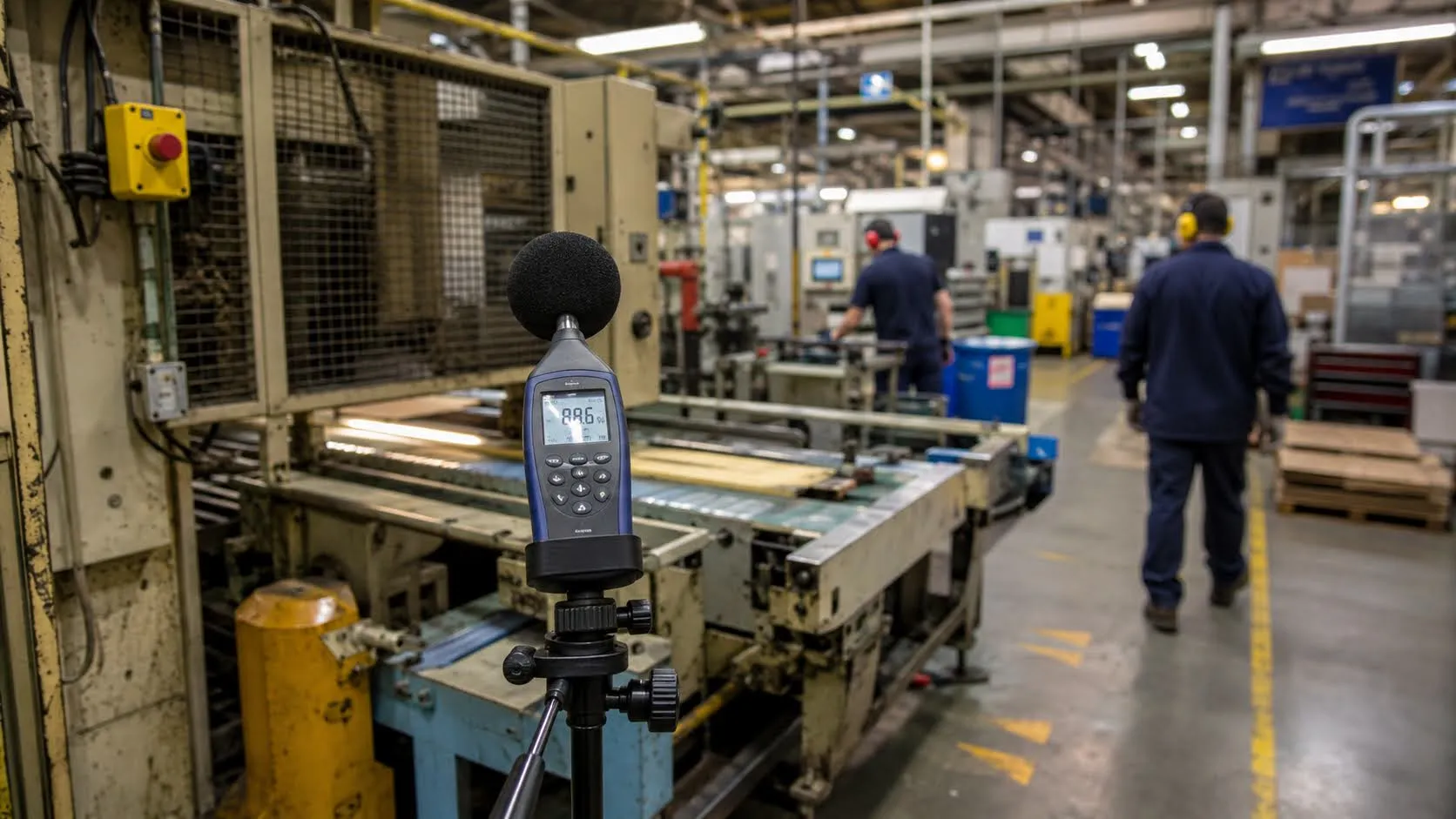
Noise from an industrial facility: what to do when neighbours complain?
Complaints about noise from an industrial facility should be addressed substantively and in good time. First, it is necessary to establish where the noise actually comes from, what operating regime the facility runs under, and whether the problem may occur during the day or at night.
Read articleExpert opinion under the Air Protection Act: when is it needed and what must it contain?
An expert opinion under the Air Protection Act is an important document when permitting new stationary sources, changing operation, and communicating with the regional authority. It is typically addressed for sources listed in Annex No.
Read articleDispersion study: when is it mandatory and what documentation is needed?
A dispersion study assesses how emissions from a stationary source, traffic, or other project will manifest in surrounding air quality. In practice it is addressed especially when permitting new sources, operational changes, capacity increases, significant related traffic, or in proceedings where the regional authority needs to assess immission contributions of the project.
Read article
Amendment to the Air Protection Act 2025: what is changing for emission source operators
The amendment to the Air Protection Act carried out by Act No. 42/2025 Coll.
Read articleWhen is emission measurement needed and when is another supporting document sufficient?
Operators of boiler plants, paint shops, technological lines, and other stationary sources often face the question of whether they must commission authorised emission measurement, or whether another expert supporting document is sufficient for the given situation. What matters most is the type of source, operating permit conditions, technology change, and the purpose for which the output is to be documented.
Read articleSend a decision, notice or brief description. Based on your documents we will propose next steps.